
Moving to new places has never been easy, especially when you’re going abroad to a country where everything is totally different from your previous reality.
The language, the people, and the culture. Those three things may sound simple, yet many find themselves struggling to fit in society. Not because they lack the capability to adapt, but there might be something internal that quietly holds them back.
In my case, it was my anxiety.
I didn’t realise how constant this anxious feeling was until I moved to Edinburgh to pursue my master’s degree two years ago. I remember my first time riding a bus to campus. I was intensely nervous the day before, so I researched the route, the bus stop, and the fare payment process. I even put on my winter jacket and packed the whole flat into my rucksack, just in case ‘things’ happened – though they never did. However, it still didn’t turn out as expected. I took the wrong direction, which, of course, was beyond my control. Despite the extra preparation, I still ended up feeling like a classic fish out of water.
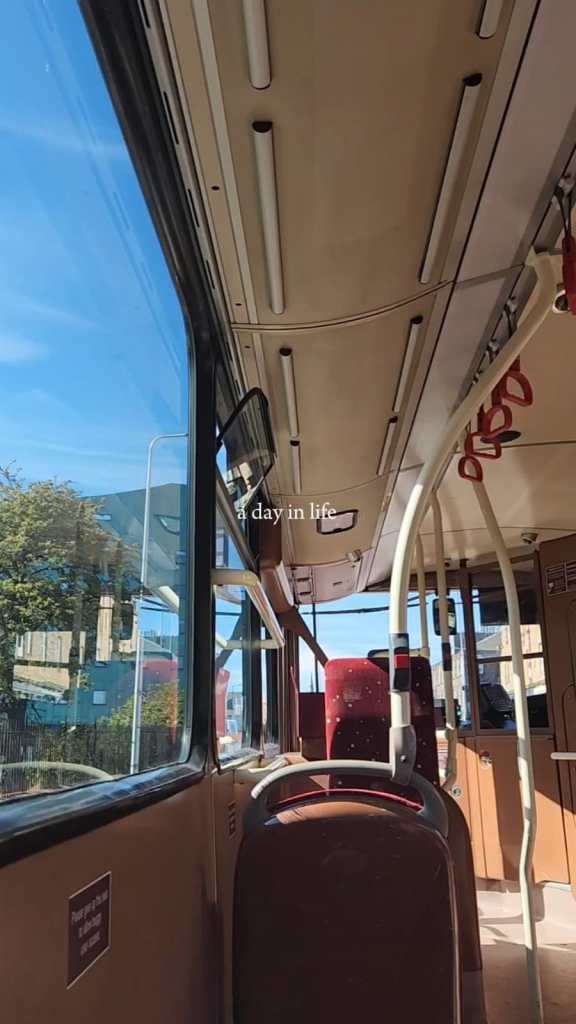
Thankfully, during this 30-minute bus trip to campus, I happened to sit next to a woman whose words I found endearing. I was overwhelmed by the nerves and afraid of getting lost, so I dared to ask her if the bus was heading in the right direction. She gladly said yes, it’s going to stop at South Bridge, and I sighed in huge relief. She also invited me to a conversation, asking where I was from and telling me how brave I was for going this far. Keep asking, she said. Her piece of advice sounds basic, and only applicable when you get lost somewhere, but to me, it’s powerful. Living abroad offers the door to so many unknowns, and asking others is often the only way we learn how to step through it.
Looking back to the years before living overseas, I would say that the anxiety was not unfamiliar. As I recall, from the moment I got into elementary school to being a guest at an event where I barely knew anyone, those situations had at least one recurring pattern: an intense fear of the unknown. This unfamiliarity got me emotionally paralysed more often than I could expect.
Only later did I begin to understand this response more compassionately. I have come to see that at its core, anxiety is wired for survival. Humans rely on their brains to scan for threats and decide the appropriate response the body should make to save themselves from danger. However, for the ones who struggle with anxiety, their brains work differently. They tend to label any slight form of discomfort as harmful, which sets off alarms in the body and loads more emotional baggage. This kind of discomfort varies, but much of it stems from uncertainty. When things are underway, one’s mind can only imagine the worst. Rather than being faced with one concrete situation, the anxious mind is bombarded with countless ‘what-ifs’ questions, which can lead to the lingering feeling of being out of control.
In real life, most of the time, those hypothetical scenarios end up only happening in thoughts. Many would argue that the energy spent on overthinking is wasted – and to some extent, I agree. But it’s also important to note that the anxiety was initially there to protect us, though at some point, it can become overprotective. So, instead of confronting anxiety as a flaw to fix, I have learned to see it as a signal – a sign that I’m engaging in things that matter deeply to me. In that sense, the presence of anxiety doesn’t indicate weakness. Instead, it reflects care, investment and growth.
If in the future anxiety greets me again, what I will need most is reassurance. Rather than expecting others’ reassurance, I’d rely on myself more this time. Not to promise that everything will be fine, but to recognise – like Jane once did – the courage it takes to begin every inch of the journey.

 destyprastiti.com